


Good preparation before a container shipment helps avoid delays and extra costs. Here is a checklist you can use.
1. Accurate cargo data
- Type of goods with a clear description.
- Gross and net weight, number of packages and package dimensions.
- HS Code if known.
2. Container selection
Choose the right size: 20 ft, 40 ft or 40 ft High Cube. Mind the container's payload limit and the road weight rules that apply.
3. Packaging and stowage
- Use packaging suited to the goods.
- Spread the weight evenly and secure the cargo so it cannot shift.
- If you use pallets or wooden packaging, check fumigation requirements for the destination.
4. Schedule
Know the vessel's closing time — the deadline for containers and documents. Plan stuffing and trucking around it.
5. Loading site
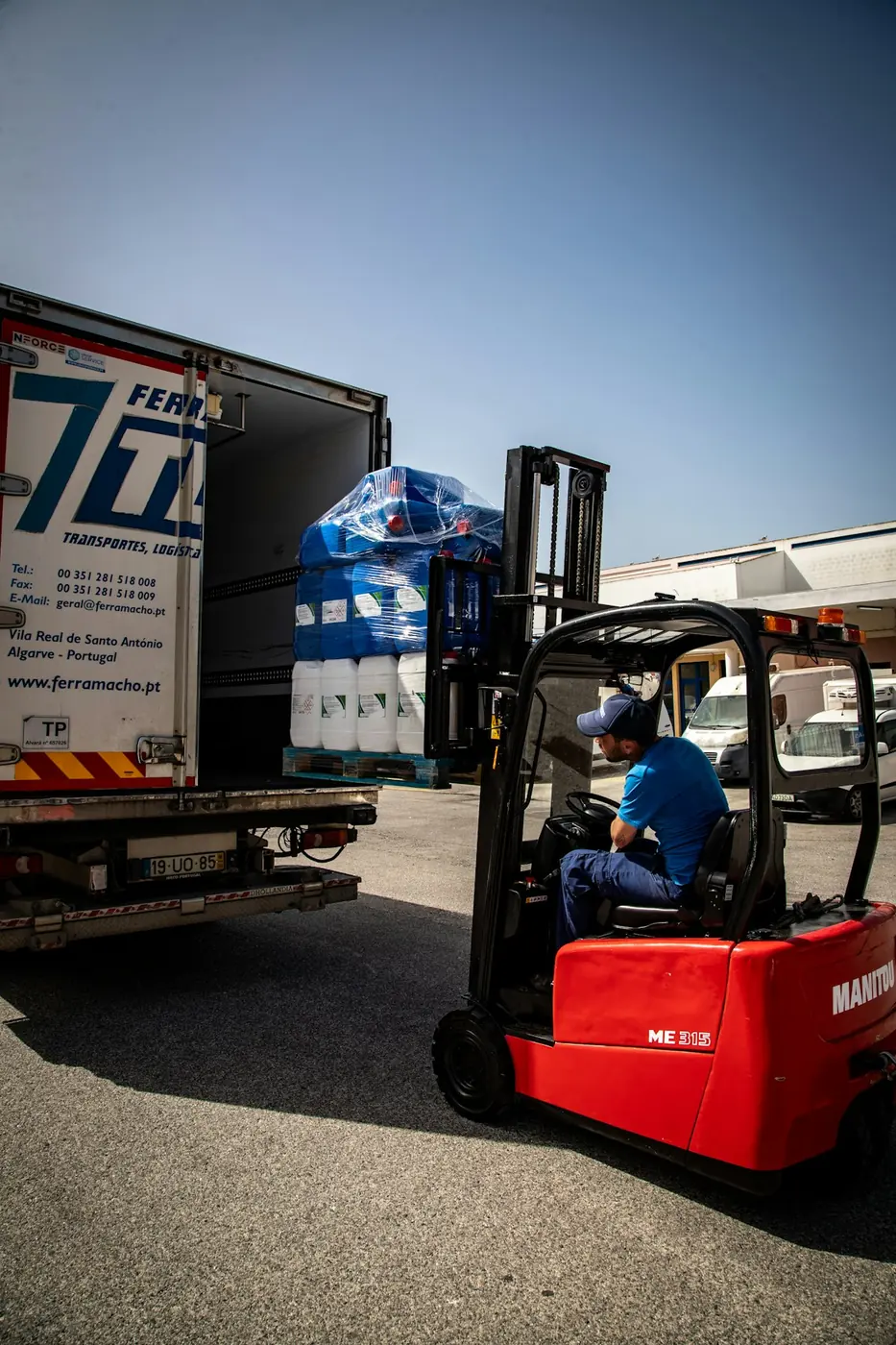
Check road access for trailers, manoeuvring space and the availability of labour or equipment such as forklifts.
6. Documents
Prepare the Commercial Invoice, Packing List, PEB data and any required additional documents before closing.
7. Communication
Appoint one contact at the loading site so information is not lost.
GIF can help coordinate containers, trucking, stuffing and documents so your preparation is well organised.
Articles are general information, not legal advice. Customs and licensing rules may change — confirm your specific requirements with our team or the competent authorities.